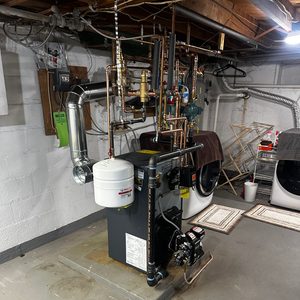
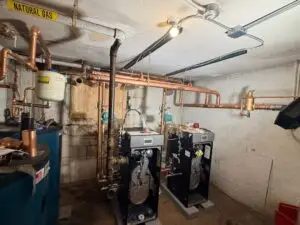
For years, this Collegeville homeowner heated his house with an oil-fired furnace. It did the job, but it also came with everything oil heat owners know well: fuel deliveries, changing oil prices, equipment maintenance and a tank taking up space on the property.
When the time came to replace the system, he wanted more than a newer version of what he already had. He was ready to remove the oil furnace and oil tank and move to an all-electric heating and cooling system. At the same time, he wanted confidence that the replacement could keep a large home comfortable during both a hot Pennsylvania summer and a cold winter.
That made the choice more involved than simply picking a standard heat pump.
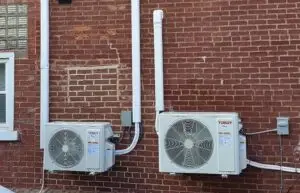
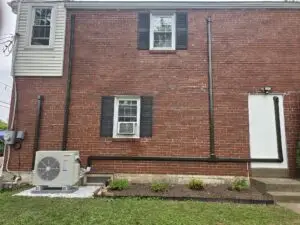
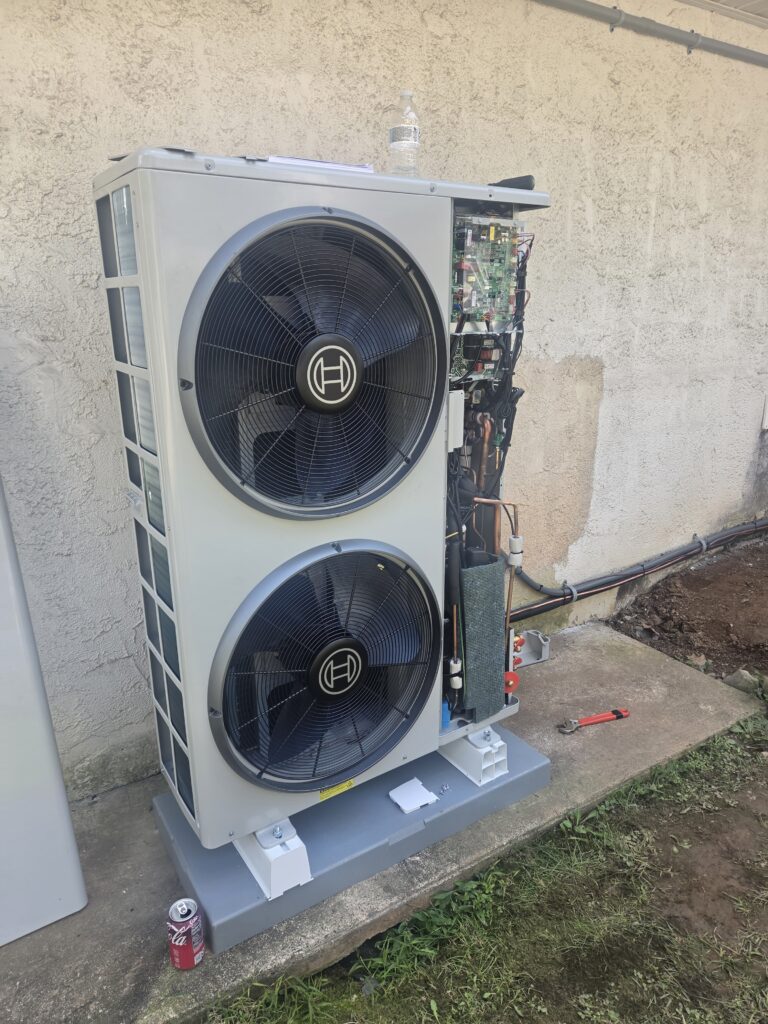
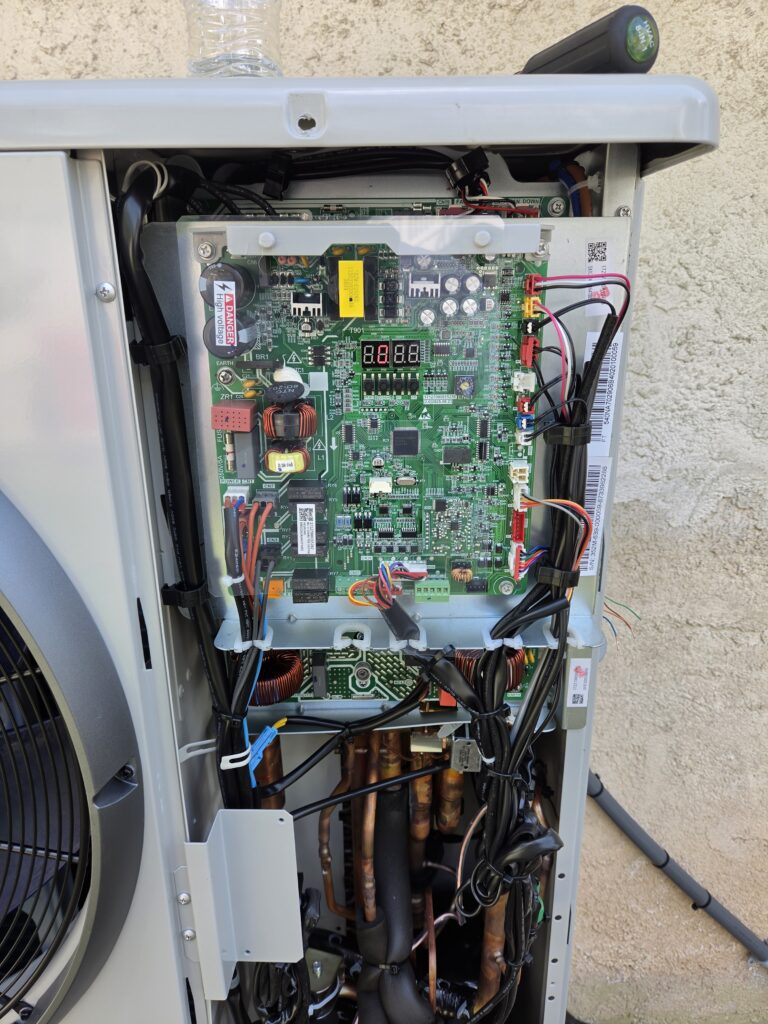
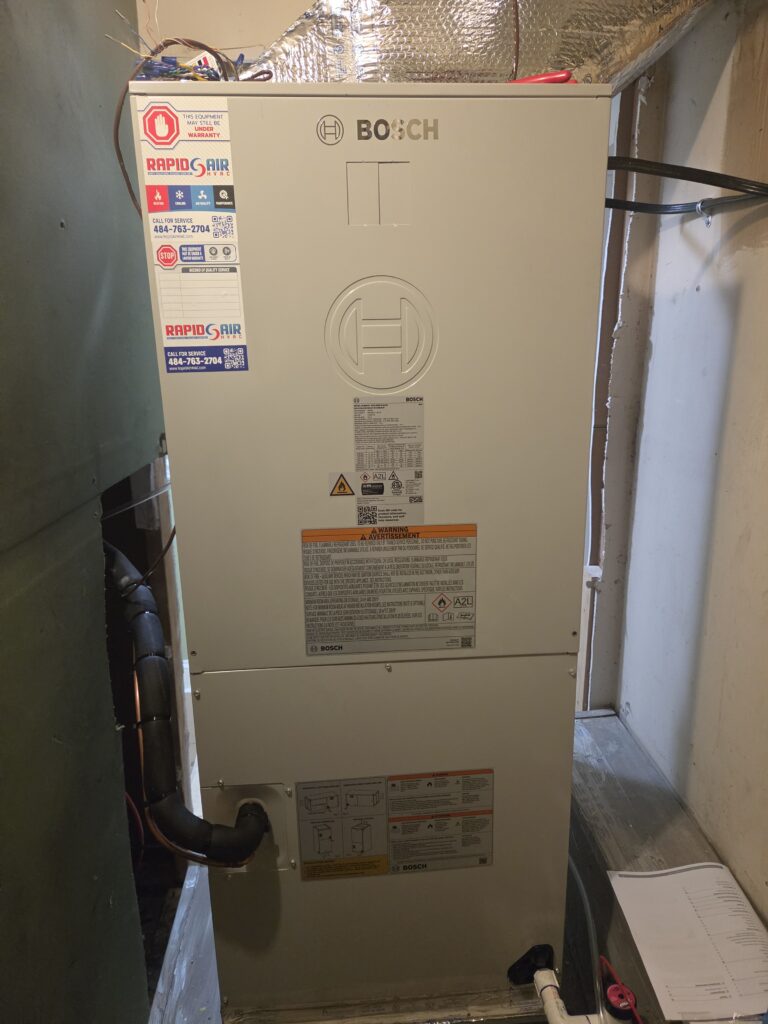
After reviewing the home and its comfort needs, Rapid Air HVAC installed a 5-ton Bosch inverter heat pump system. The project gave the homeowner efficient central air conditioning and heat from one system, without the need to continue buying and storing heating oil.
Why Choose an Inverter Heat Pump Instead of a Regular Heat Pump?
A traditional single-stage heat pump usually has two basic settings: fully on and completely off. When the thermostat calls, the compressor starts at full output. Once the temperature is satisfied, it shuts down. A two-stage heat pump improves on that design, but it still has only two operating levels.
An inverter heat pump works differently. Its compressor can adjust its speed as the home’s heating or cooling demand changes.
That difference is especially meaningful with a 5-ton system. Five tons describes the system’s maximum nominal cooling capacity; it does not mean the Bosch must run at full output every time it turns on. During milder weather, the system can operate at a lower level. When outdoor conditions become more demanding, it can increase its output to meet the load.
It is similar to the difference between driving by repeatedly flooring the accelerator and hitting the brakes versus smoothly adjusting the pedal to maintain speed. Both approaches may get you there, but one is quieter, steadier and more controlled.
For this Collegeville homeowner, that ability to adapt was a major reason to select the Bosch inverter system over a conventional heat pump.
Central Air Conditioning Without the Full-Blast Feeling
During the summer, a regular heat pump or air conditioner may cool the home in short, powerful cycles. The temperature drops, the system shuts off, and then the house gradually warms until the next cycle begins. Homeowners may notice temperature swings, uneven rooms and periods when the air feels cool but still humid.
The Bosch inverter heat pump can run longer at reduced capacity when the home does not need its full output. That creates steadier airflow and helps maintain a more consistent indoor temperature. Longer cooling cycles can also give the system more time to remove moisture from the air.
Humidity matters more than many homeowners realize. A house with controlled humidity can feel comfortable at a higher thermostat setting, while a damp house can still feel clammy even when the air temperature is lower. The goal is not simply to blast cold air into the home. It is to create balanced, comfortable air throughout the living space.
As part of this installation, Rapid Air also addressed the return-air side of the duct system. Even premium equipment can struggle if it cannot move enough air. Matching the Bosch system with properly designed airflow helped give this 5-ton unit the conditions it needs to perform effectively and reliably.
The system was paired with a Honeywell T10 thermostat, providing straightforward control along with connected monitoring and alerts.
Heat Without the Oil Delivery
In heating mode, a heat pump does not burn fuel to create heat. It uses a refrigerant cycle to collect heat from the outdoor air and transfer it inside the home. That may sound surprising during cold weather, but usable heat remains in the outdoor air even when it feels cold outside.
The inverter compressor gives the Bosch system more flexibility as conditions change. On a mild fall day, the home may need only a small amount of heat. Instead of running at full capacity and quickly shutting off, the system can operate more gently. As the temperature drops and the house requires more heat, the compressor can increase its output.
This creates a different kind of comfort from an oil furnace. Oil heat is known for delivering bursts of very hot air. A heat pump generally supplies warmer air for longer periods, maintaining the home’s temperature rather than repeatedly creating a large temperature swing. The air coming from the registers may not feel as intensely hot as furnace air, but the room can remain consistently comfortable.
That distinction is important for anyone considering an oil-to-heat-pump conversion. A properly designed heat pump is not trying to imitate the operating pattern of an oil furnace. It is providing comfort in a more even and efficient way.
A Stronger Option for Homeowners Who Are Unsure About Heat Pumps
Some homeowners like the idea of eliminating oil but hesitate when they hear the words “heat pump.” Perhaps they had an older heat pump that struggled in cold weather. Maybe they have been told that heat pumps are only suitable for mild climates. Others simply worry that a standard system will not provide the heating performance their home needs.
Those concerns should not be dismissed. Heat-pump performance depends on the equipment selected, the home’s heating and cooling load, the ductwork and the quality of the installation. Replacing an oil furnace with the least expensive heat pump available—without evaluating those factors—is not a sound plan.
A Bosch inverter system gives homeowners another option. It combines the ability to run efficiently at reduced capacity with the power to increase output as demand rises. Rather than choosing between an oversized system that cycles too frequently and a smaller system that may struggle during extreme weather, inverter technology provides a wider operating range.
It can also make the outdoor unit noticeably quieter. Because the compressor and fan are often operating below full speed, homeowners hear less of the abrupt startup and full-power operation associated with conventional equipment.
This does not mean an inverter heat pump is automatically the right answer for every house. Proper sizing still matters. Ductwork still matters. Insulation, electric rates and the home’s heat loss all matter. But for someone who wants to move away from oil and is not convinced that a basic heat pump will meet the home’s needs, a Bosch inverter heat pump deserves serious consideration.
One System for Collegeville Summers and Winters
This project was more than an equipment replacement. It allowed a Collegeville homeowner to remove an oil-fired furnace and oil tank and transition to one high-efficiency system designed to provide central heating and air conditioning.
In the summer, the Bosch system can deliver quiet cooling, better humidity control and more consistent temperatures. During the heating season, it can adjust its output to match the home’s changing demand without scheduling another oil delivery.
Most importantly, the homeowner did not have to settle for the on-or-off operation of a conventional system. The 5-ton Bosch has the capacity to respond on demanding days and the intelligence to avoid running at maximum output when the house does not need it.
If you are considering replacing an oil furnace, adding central air conditioning or upgrading from a traditional heat pump, Rapid Air HVAC can evaluate your home and explain whether an inverter system makes sense for you.
Rapid Air HVAC installs Bosch inverter heat pumps throughout Collegeville, Phoenixville, Royersford, Pottstown and the surrounding areas. Contact us to schedule an in-home estimate and learn what an oil-to-electric HVAC conversion could look like in your home.