If you heat your home with oil in Montgomery, Chester or Berks County, you’ve probably noticed what has happened to heating oil prices.
And if you’re already thinking about the cost of the next fill-up, you’re certainly not alone.
Maybe you had this same conversation last winter:
“We really should look into getting off oil.”
But your furnace or boiler was still working. Maybe converting the house wasn’t in the budget. Maybe you weren’t sure whether a heat pump would really work in a Pennsylvania winter. Or maybe you simply had too many other expenses and decided to get one more year out of your existing system.
That’s understandable.
But with heating oil prices high again, this may be the year to at least look at your options.


At Rapid Air HVAC, we don’t believe every homeowner with oil heat needs to immediately rip out a working system and spend thousands of dollars replacing it.
Budgets are tight. Groceries, insurance, utilities and just about everything else cost more than they used to.
That’s why the important thing isn’t necessarily getting rid of oil tomorrow.
It’s understanding that you have options.
You can maintain what you have. You can reduce how much oil you use. You can move one part of your house away from oil. Or you can replace oil completely.
Here are five approaches worth considering.
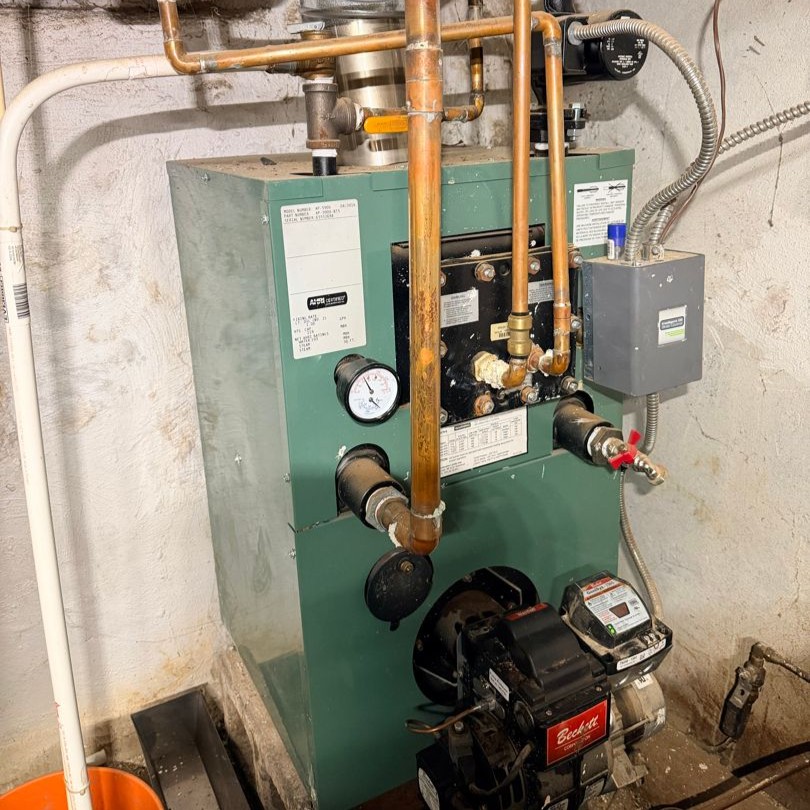
1. Keep Your Oil Furnace or Boiler—But Make Sure It’s Running Properly
Let’s start with the option that costs the least.
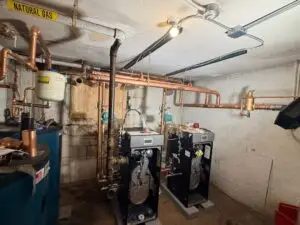
You can keep your oil system.
If replacing your heating system isn’t in the budget this year, there’s nothing wrong with maintaining the equipment you already have.
Seasonal maintenance of an oil furnace or boiler can include cleaning and inspecting the equipment, checking combustion, replacing appropriate filters or burner components, and making sure the system is operating properly.
A tune-up isn’t going to make heating oil cheap.
But if you’re going to pay for every gallon that goes into your tank, it makes sense to get as much useful heat from that oil as reasonably possible.
For some homeowners, especially those with relatively reliable equipment, keeping the existing oil system for another winter may be the right financial decision.
And if that’s where your budget is today, Rapid Air can help you maintain it.
2. Add Mini-Splits and Reduce How Much Oil You Burn
This is one of our favorite options because getting off oil doesn’t have to be an all-or-nothing decision.
Many older homes around Pottstown, Royersford, Spring City, Phoenixville and Collegeville have oil boilers with hot-water baseboard or radiators.
Those homes often don’t have ductwork.
That makes a complete conversion seem complicated—but it doesn’t have to be.
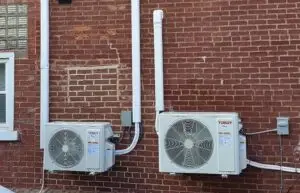
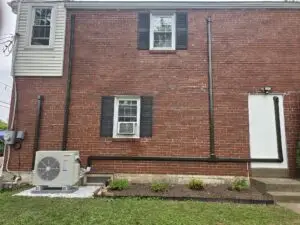
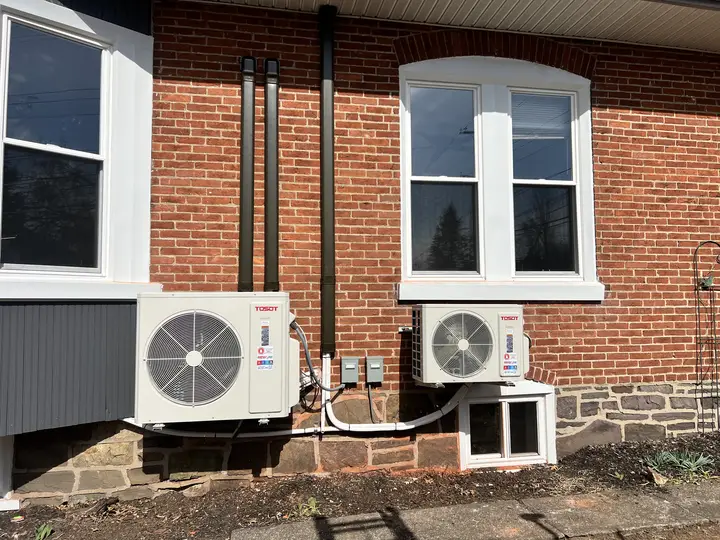
Modern ductless mini-split heat pumps can heat and cool individual rooms or areas of your home without installing a traditional duct system.
You might install mini-splits in your living room, kitchen and bedrooms and use them as your primary heat for much of the winter.
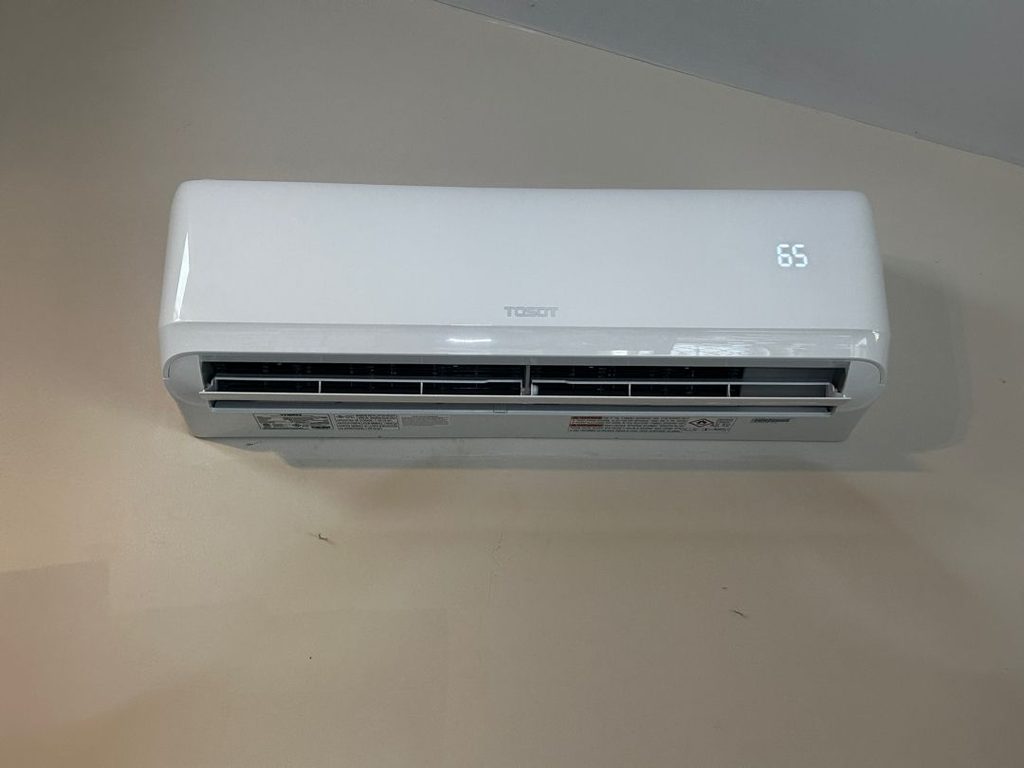
Meanwhile, your existing oil boiler stays right where it is.
You can use it as backup heat, supplemental heat during particularly cold weather, or simply whenever you want it.
The result?
Instead of asking, “How do I eliminate oil?”, you can ask:
“How can I buy a lot less of it?”
And there’s another major benefit.
Mini-splits also provide air conditioning.
If your older home currently relies on window units—or doesn’t have central air at all—you can reduce your oil usage while adding cooling at the same time.
3. Replace an Oil Furnace With a Modern Heat Pump
If your home already has ductwork because you have an oil furnace, a heat pump conversion becomes another option.
Heat-pump technology has changed dramatically.
We still meet homeowners who remember heat pumps from decades ago and tell us:
“Heat pumps don’t work when it gets cold.”
Modern inverter and cold-climate heat pumps are very different from those older systems.
Today’s inverter equipment can adjust its output based on what your home actually needs instead of simply operating at full capacity and shutting off repeatedly.
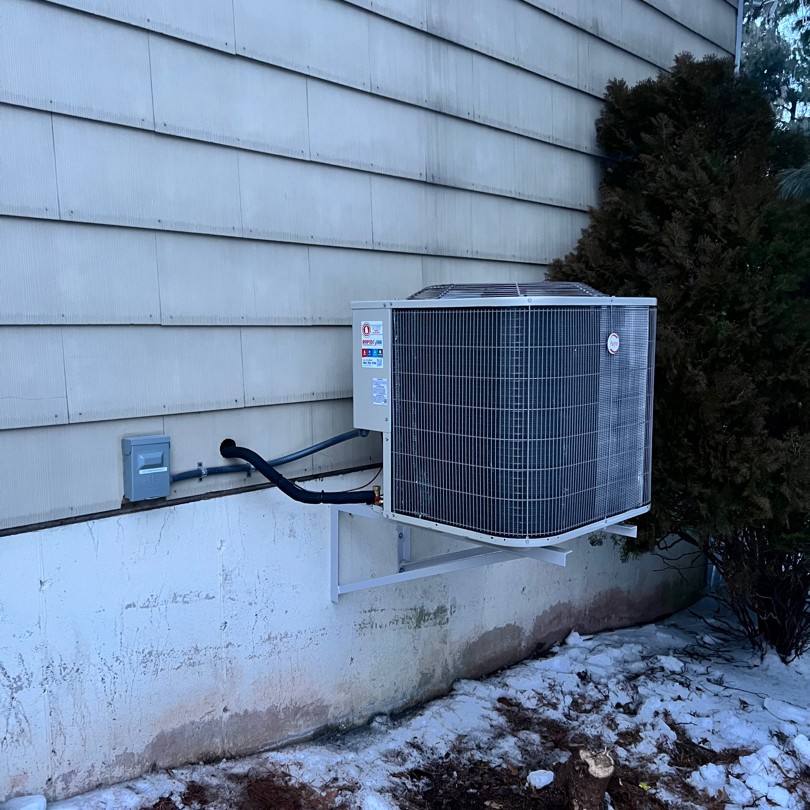
Properly selected heat pumps can continue producing heat at temperatures well below freezing.
That doesn’t mean every home should automatically switch to a heat pump.
We still need to consider:
- The size and construction of your home
- Insulation and air leakage
- Existing ductwork
- Electrical service
- Equipment sizing
- Your current heating system
- Your comfort expectations
But if you’re looking at replacing an aging oil furnace and you have an older air conditioner, this is absolutely a conversation worth having.
One properly designed heat-pump system may be able to handle both your heating and your air conditioning.
4. Convert From Oil to Natural Gas
Heat pumps aren’t the only alternative to oil.
If natural gas is available at your property, you may be able to replace an oil furnace with a gas furnace or an oil boiler with a gas boiler.
This can be especially attractive for homeowners who love the comfort of hot-water baseboard or radiator heat and don’t necessarily want to change how their house is heated.
Instead of abandoning the hydronic system, you may be able to keep much of it and simply change the equipment producing the hot water.
Gas availability varies considerably.
One neighborhood in Pottstown, Phoenixville, Royersford or Collegeville may have natural gas while another nearby street doesn’t.
That’s why this option needs to be evaluated property by property.
5. Move Your Hot Water Off Oil—even If You Keep the Oil Boiler
This is an option homeowners sometimes overlook.
Many oil boilers in our area do two jobs:
They heat your house, and they make your domestic hot water.
That means your oil boiler may still be firing in July or August just so your family can take showers and wash dishes.
You don’t necessarily have to replace the entire heating system to change that.
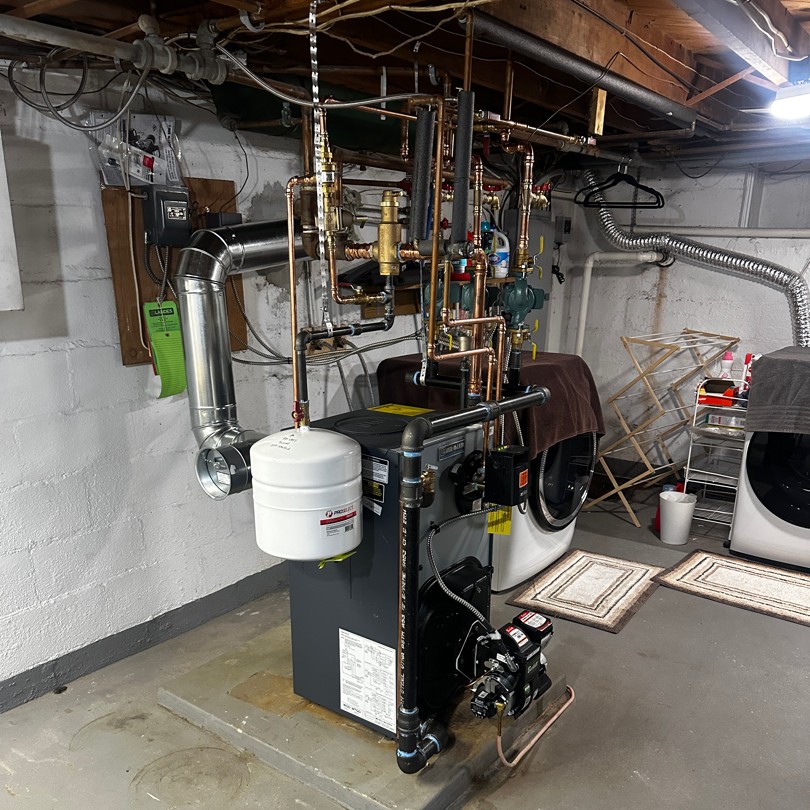
Rapid Air can install a separate electric water heater and allow the oil boiler to concentrate solely on heating the house.
Now you’re no longer burning oil all summer simply to make hot water.
You haven’t eliminated oil—but you’ve reduced your dependence on it.
For a homeowner who isn’t ready financially for a complete conversion, this can be a very practical first step.
Or Replace Both Heating and Hot Water
If you’re ready to eliminate oil entirely, we can look at both sides of the equation.
Depending on your house, that might mean:
- Heat pumps plus an electric water heater
- Mini-splits plus an electric water heater
- A heat-pump water heater
- A gas boiler with an indirect water heater
- A gas furnace plus a separate water heater
- Another combination based on your home’s existing systems
There isn’t one correct solution for every house.
That’s exactly why we want homeowners to know they have choices.
You Can Also Get Off Oil in Stages
This may be the most important part of this entire article.
You don’t necessarily have to do everything at once.
Suppose a complete conversion doesn’t fit the household budget this year.
You could install an electric water heater now.
Next, add a mini-split to the first floor where your family spends most of its time.
Continue using the oil boiler as backup.
Later, add additional mini-split zones or replace the remaining oil equipment when it reaches the end of its useful life.
Another homeowner might have an oil furnace and central air that are both nearing replacement age and decide that going directly to an inverter heat pump makes more financial sense.
The right answer depends on your home—and your budget.
How Much Does It Cost to Get Off Heating Oil?
This is usually the next question.
Unfortunately, there isn’t one useful answer.
A homeowner with an existing duct system has a very different project from a 100-year-old house with radiators and no ductwork.
The cost can depend on:
- Existing ductwork
- Square footage and layout
- Number of mini-split zones
- Electrical capacity
- Natural-gas availability
- Whether the existing oil system stays as backup
- Whether your boiler also makes domestic hot water
- Whether you need heating only or heating and cooling
- Equipment efficiency and technology
- The amount of work required to convert the existing system
That’s why we’d rather look at your house and discuss several approaches than give you a generic number online.
Sometimes the least expensive solution is keeping what you have.
Sometimes spending more upfront makes sense because you’re replacing both heating and air conditioning.
And sometimes a partial conversion is the sweet spot.
What If a New Heating System Isn’t in the Budget?
We understand this part too.
Even if reducing your dependence on heating oil makes sense long-term, replacing HVAC equipment is a significant household expense.
That’s why Rapid Air HVAC offers financing options through Synchrony and GoodLeap for qualified customers.
Financing may allow you to spread the cost of a project over time rather than paying for the entire installation at once.
That could mean financing a complete heat-pump conversion, a multi-zone mini-split system, a gas conversion or another qualifying HVAC project.
It may also allow you to compare solutions based on what’s right for your home rather than automatically choosing an option solely because it has the lowest upfront cost.
Financing isn’t the right choice for everyone.
It’s simply another option we want our customers to know is available.
Financing is subject to credit approval and applicable program terms.
Do Heat Pumps Really Work in Montgomery, Chester and Berks County Winters?
Yes—when the equipment is selected, sized and installed correctly.
Pennsylvania gets cold.
We know that.
That’s why it’s important to distinguish between older heat-pump technology and today’s inverter and cold-climate equipment.
Not every heat pump performs the same way at low temperatures.
That’s also why Rapid Air doesn’t believe in simply pulling out an oil furnace and putting in whatever heat pump happens to fit.
The house needs to be evaluated.
For one homeowner, an all-electric inverter heat pump may be an excellent solution.
For another, mini-splits combined with the existing oil boiler may make more sense.
And someone else may be better served by natural gas.
The goal isn’t to sell you a particular type of equipment. It’s to find the option that makes sense for your house.
Should You Get Off Oil This Year?
Maybe.
Maybe not.
If you have a newer oil system that’s reliable, efficient and affordable for your household to operate, replacing perfectly good equipment may not make sense.
If money is tight and your oil system needs only routine maintenance, keeping it may be the smart move.
But if you were already thinking about getting off oil last year, and another year of fuel costs hasn’t made you feel any better about it, this is probably a good time to revisit the numbers.
Especially if your oil furnace or boiler is getting older.
The worst time to research your options is usually after the equipment fails on a 20-degree night.
The better time is while the system still works and you have the ability to compare alternatives.
Rapid Air HVAC Can Show You the Options
Rapid Air HVAC works with homeowners throughout Montgomery, Chester and Berks counties, including Pottstown, Royersford, Spring City, Phoenixville, Collegeville, Limerick, Schwenksville, Douglassville, Exeter and surrounding communities.
We service and install:
- Oil furnaces and boilers
- Gas furnaces and boilers
- Ductless mini-splits
- Conventional heat pumps
- Inverter heat pumps
- Electric and heat-pump water heaters
- Complete heating and cooling systems
If keeping your existing oil system for another year makes the most sense, we can help you maintain it.
If you’d like to burn less oil, we can discuss mini-splits or moving your domestic hot water to electricity.
If you’re ready to eliminate oil completely, we can evaluate heat pumps, gas equipment and water-heating alternatives.
And if the upfront investment is the obstacle, we can explain the financing options available through Synchrony and GoodLeap for qualified customers.
You don’t have to make the entire change today.
But with heating oil prices where they are, if you’ve been thinking about making a change, now is a good time to understand what your options actually are.
Rapid Air HVAC — Swift Solutions, Reliable Comfort.