When your air conditioner needs replacement, does your older furnace have to go, too?
For one homeowner in Pottstown that question had real budget consequences. His air conditioner and indoor AC coil needed replacement, but his 26-year-old oil furnace still worked. He wanted to put his money toward the equipment that needed replacing while keeping his existing furnace operating.
Rapid Air HVAC performed seasonal oil furnace maintenance, evaluated the equipment, and replaced several key burner components. The affordable maintenance and repairs made keeping the furnace a straightforward choice for this customer.
The Situation: An Aging HVAC System and a Limited Budget
The homeowner knew his AC and coil were ready for replacement. He also knew his oil furnace was still producing heat.
With a limited budget, he wanted to avoid adding a furnace replacement to an already significant expense if the existing equipment could continue serving his home.
His goal was practical: address the cooling equipment that needed replacement and give the working furnace the attention it needed heading into heating season.
That made this visit about more than servicing older equipment. It was about helping the customer prioritize his HVAC spending based on the condition of each part of the system.
What We Found During the Oil Furnace Maintenance Visit
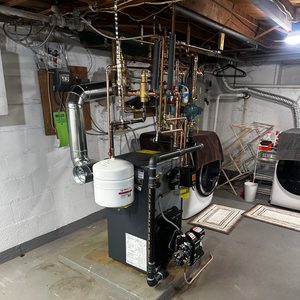
During seasonal maintenance, we found that the 26-year-old oil furnace was operating and burning clean, but it was not performing optimally.
Its age was worth considering, but it did not tell the whole story. The furnace still worked, and there were specific components we could address to improve its operation.
For this homeowner, that distinction mattered. He needed a clear explanation of what could be repaired so he could make a decision that fit his budget.
The Repairs: Replacing Key Oil Burner Components
During this service visit, we replaced three components associated with ignition and flame detection.
Electrode Assembly
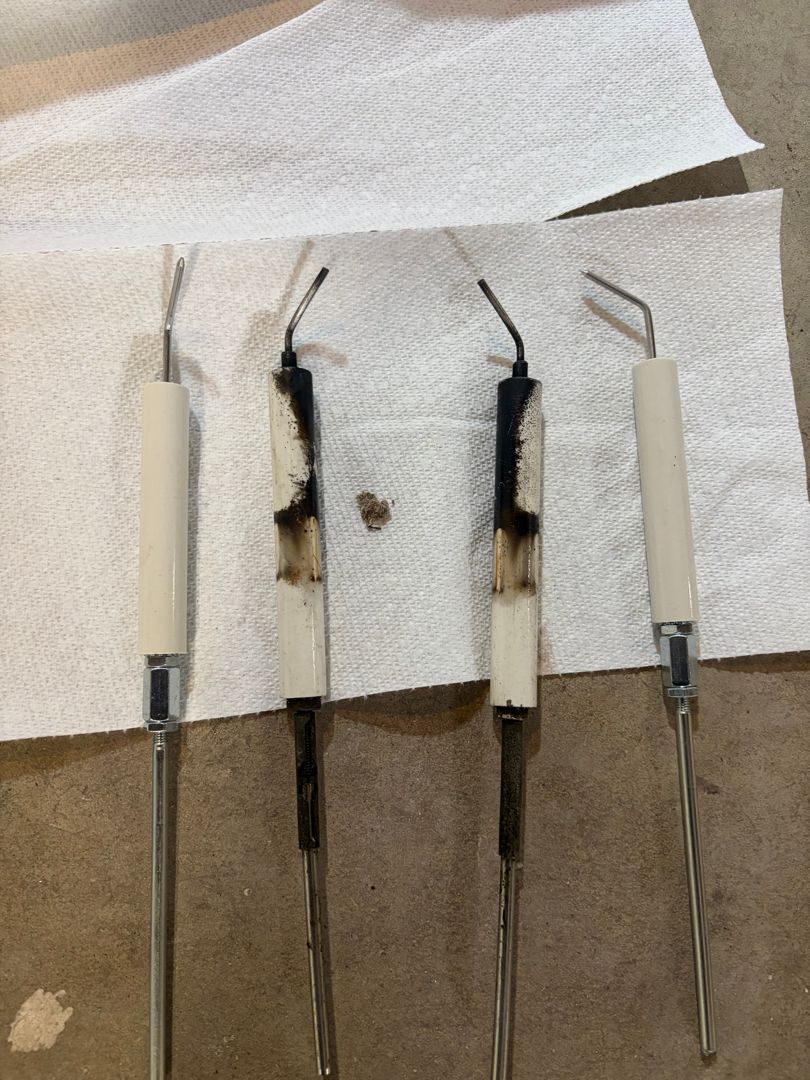
The electrode assembly helps establish the spark used to ignite the oil burner. Replacing this assembly addressed a key part of the furnace’s ignition system.
Cad Cell
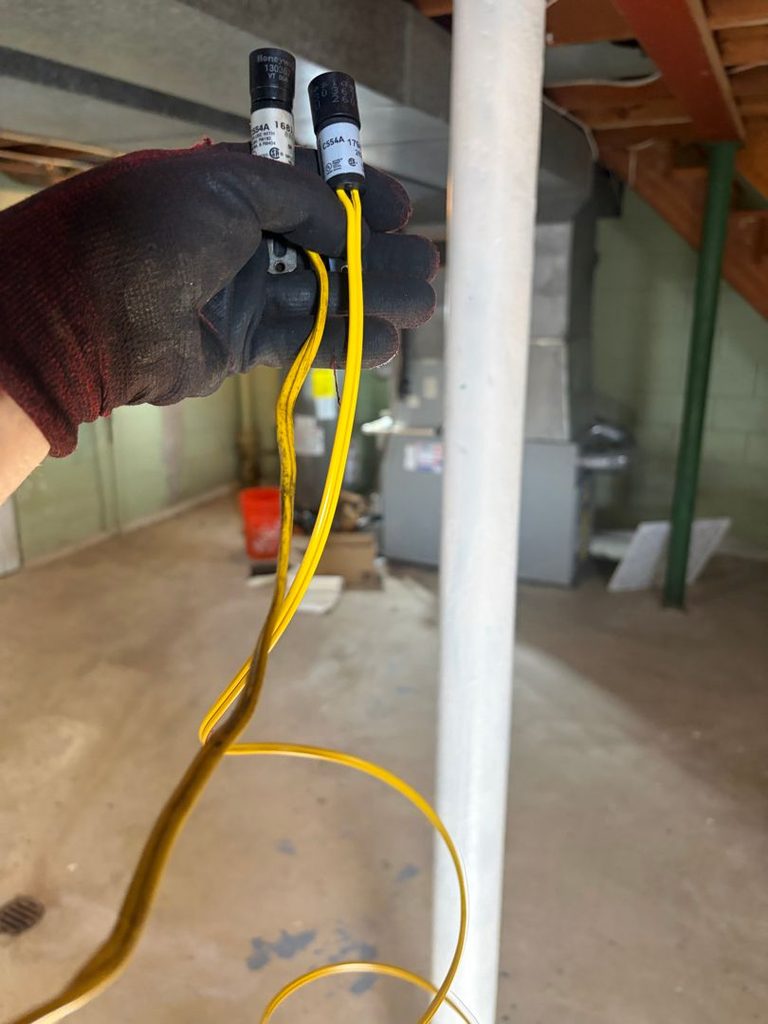
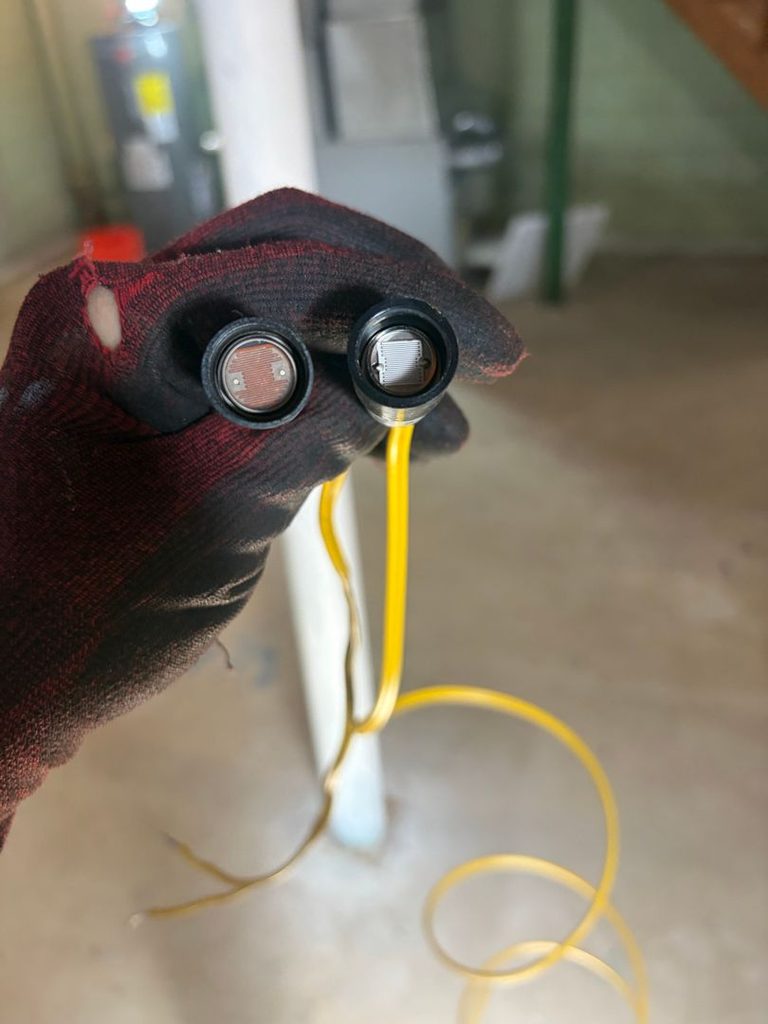
The cad cell detects the burner’s flame and communicates that information to the primary control. We replaced the cad cell as part of servicing the burner’s flame-detection components.
Transformer/Ignitor
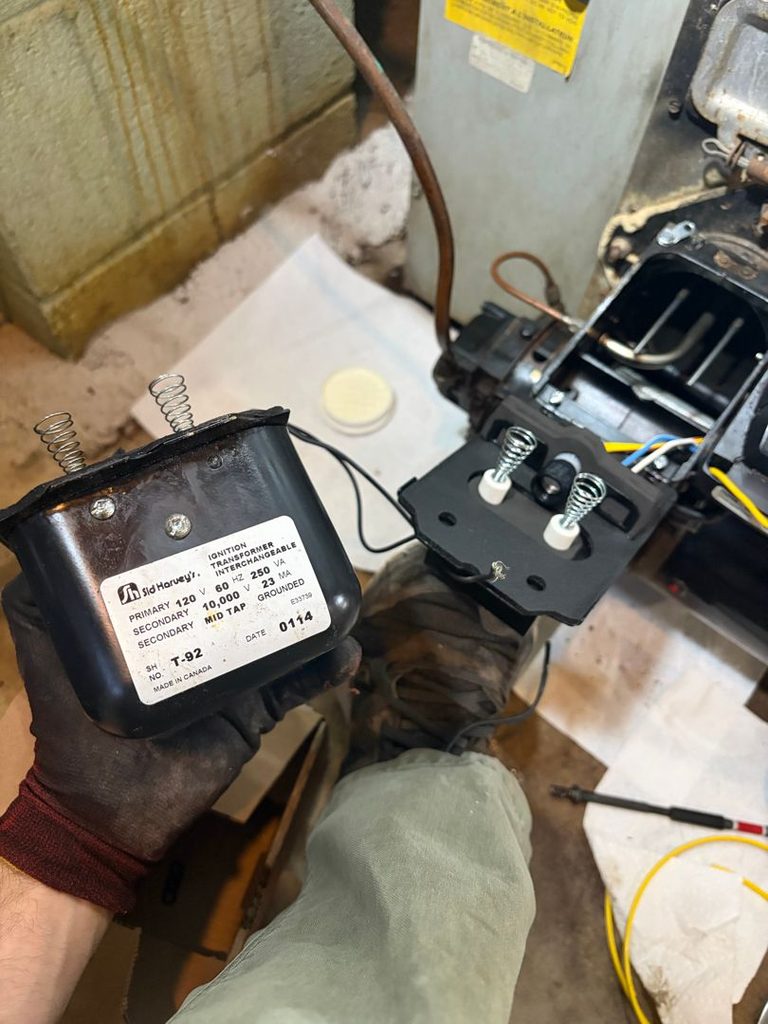
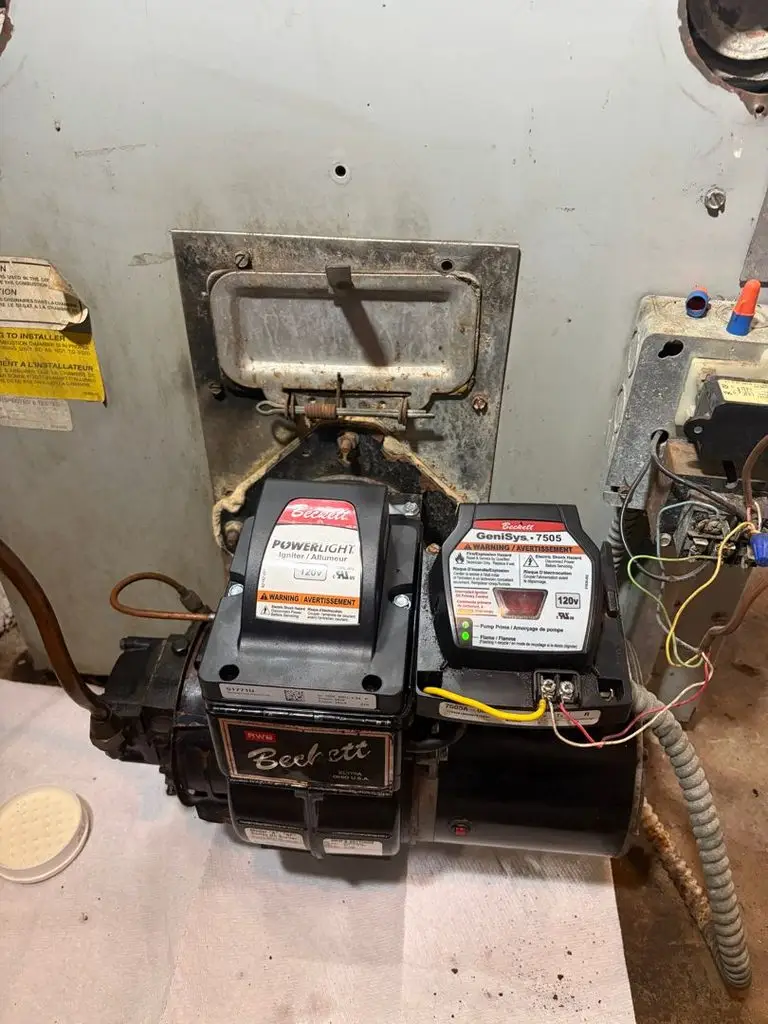
The transformer/ignitor supplies the high voltage used to create the ignition spark. Replacing it addressed another important part of the burner’s ignition system.
Combined with seasonal maintenance, these targeted repairs brought the existing furnace into better operating condition without the expense of replacing the entire unit.
The Result: Better Furnace Operation and a More Manageable Budget
After maintenance and the component replacements, we were able to get this older oil furnace into its best operating shape in years.
For the homeowner, the value was clear. He could focus his replacement budget on the air conditioner and coil while making an affordable investment in the furnace he already owned.
The furnace’s age had not changed. Neither had the possibility of needing additional repairs or replacement in the future. But this visit gave him a practical way to improve its current operation without taking on a furnace replacement expense at the same time.
Given his priorities and the affordable cost of the work, maintaining and repairing the furnace was an easy decision.
Does Replacing Your AC Mean You Must Replace Your Furnace?
This case shows why it is worth evaluating the heating and cooling components individually.
The homeowner’s AC and coil needed replacement. His furnace was still working and benefited from maintenance and targeted repairs. Those were different equipment conditions within the same home.
Whether an existing furnace can remain when cooling equipment is replaced depends on its condition and the compatibility requirements of the proposed installation. It deserves an equipment-specific assessment.
For homeowners considering AC replacement in Pottstown, the useful question is: “What needs replacing now, and what can reasonably stay?”
Should You Repair or Replace a 26-Year-Old Oil Furnace?
There is no single answer based on age alone.
A useful repair-or-replace discussion should consider:
- The furnace’s current condition and operation
- Its history of repairs and breakdowns
- The scope and cost of the recommended work
- The homeowner’s budget and future plans
- Other heating and cooling expenses competing for that budget
In this case, the homeowner had a working furnace, cooling equipment that needed replacement, and an affordable opportunity to improve the furnace’s operation.
Seasonal oil furnace maintenance and replacement of key burner components fit his needs.
Have an Aging Oil Furnace? We Can Help You Decide.
Not sure whether to repair or replace an older oil furnace? Rapid Air HVAC can evaluate what you have, explain what needs attention, and help you make a decision that fits your budget and your situation.
We serve homeowners throughout Montgomery and Chester counties. Call us today to schedule an appointment.