If you’re planning to upgrade your HVAC system, one of the most common questions we get at Rapid Air HVAC is:
 “Should I go with a heat pump or a traditional air conditioner?”
At first glance, they look almost identical—but they function very differently. Understanding those differences can help you choose the right system for your home, your budget, and your long-term comfort.
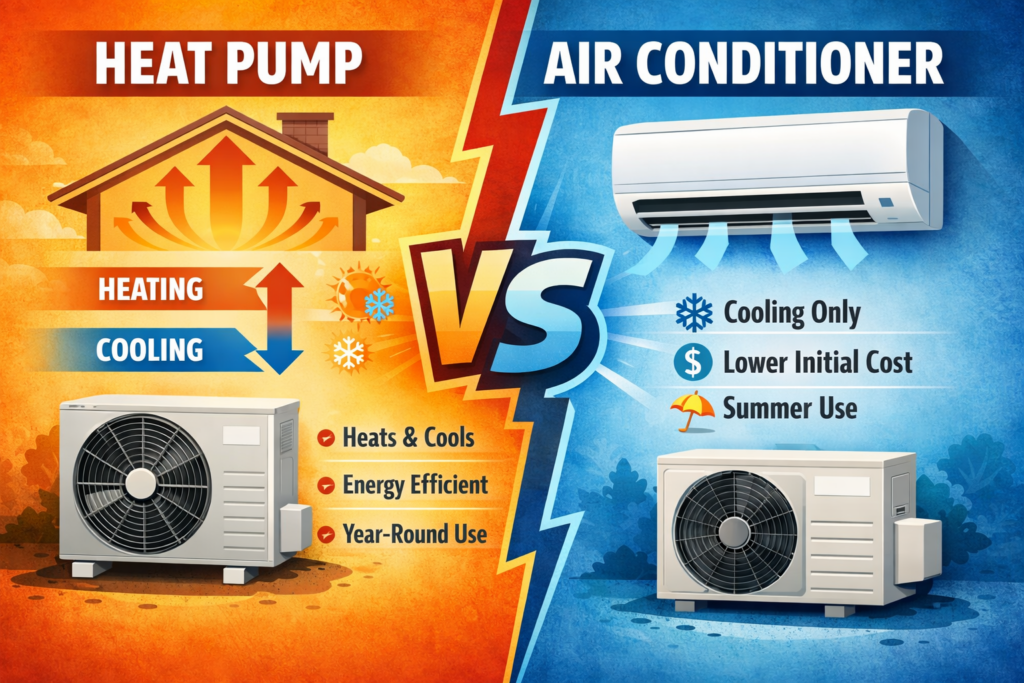
The Key Difference: Heating AND Cooling vs Cooling Only
Let’s keep it simple:
- Air Conditioner: Cools your home only and is paired with a coil and furnace.
- Heat Pump: Cools your home AND heats it and is paired with an air handler
Both systems work the same way when it comes to cooling. They remove heat from inside your home and push it outside.
But here’s where things change:
A heat pump has a reversing valve that allows it to switch directions and bring heat into your home during colder months
That means one system can handle year-round comfort.
How a Heat Pump Works (And Why It’s So Efficient)
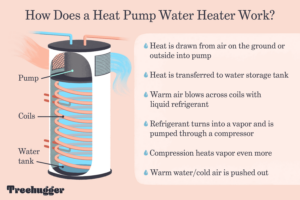
A heat pump doesn’t generate heat—it moves heat.
- In summer: it removes heat from your home (just like an AC)
- In winter: it pulls heat from outside air and brings it inside
Because it’s transferring heat instead of creating it, heat pumps can be up to 3x more energy efficient than traditional heating systems
That efficiency can translate into:
- Lower energy bills
- Reduced energy usage
- Better overall system performance
When an Air Conditioner Still Makes Sense
There are still situations where a traditional AC system is the better fit.
At Rapid Air HVAC, we often recommend an AC paired with a gas furnace when:
- Natural gas is available and affordable
- You want strong heating performance in colder climates
- You prefer a simpler, lower upfront cost
Modern air conditioners—especially from brands like American Standard—are extremely efficient, quiet, and reliable, making them a solid choice for cooling-focused homes
When a Heat Pump Is the Better Option
Heat pumps have become incredibly popular, and for good reason.
At Rapid Air HVAC, we often recommend heat pumps when:
- You want both heating and cooling in one system
- Natural gas is not available
- You’re looking for a more energy-efficient, all-electric solution
- You want to take advantage of rebates and incentives
Modern systems from brands like York and American Standard perform well even in colder climates, especially when properly designed and installed.
Cost: Upfront vs Long-Term Value
This is where the decision often comes down to real-world thinking.
Air Conditioner + Furnace
- Lower upfront cost
- Two separate systems (cooling + heating)
- Reliable performance in colder weather
Heat Pump
- Higher upfront investment
- One system handles everything
- Lower operating costs over time
Because of their efficiency, heat pumps can significantly reduce energy usage, especially compared to systems that rely on burning fuel for heat.
Hybrid Systems: The Best of Both Worlds
There’s also a third option many homeowners don’t realize exists:
Dual fuel systems (heat pump + gas furnace)
These systems:
- Use the heat pump during mild weather
- Switch to gas heat when temperatures drop
At Rapid Air HVAC, we’ve installed many of these systems for homeowners who want:
- Maximum efficiency
- Strong cold-weather performance
- Flexibility based on energy costs
So… Which One Should You Choose?
There’s no one-size-fits-all answer.
It depends on:
- Your home layout
- Whether gas is available
- Your budget
- Your long-term goals
That’s why we always recommend a proper load calculation and system design before making a decision.
Final Thoughts
Both systems are excellent options—it just comes down to what fits your home best.
- Want simplicity and strong heating? → AC + furnace
- Want efficiency and all-in-one comfort? → Heat pump
- Want the best of both? → Dual fuel system
At Rapid Air HVAC, we help homeowners make the right call based on real-world use—not just theory.
If you’re considering an upgrade, we’re here to guide you every step of the way.
Swift Solutions, Reliable Comfort.