When a homeowner’s hot water system is tied directly into their boiler, they’re often spending more on energy than they need to. That was exactly the situation for one of our recent customers, and the upgrade they made is worth walking through. If you’re not sure whether your current setup is costing you more than it should, check out our water heater replacement warning signs guide first.
The Situation
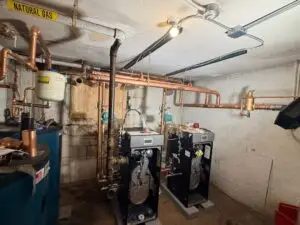
The homeowner had an older boiler-fed hot water system that was driving up energy costs and limiting capacity. They wanted to separate their hot water from the boiler entirely, improve efficiency, and get more reliable hot water for daily use.
The Upgrade
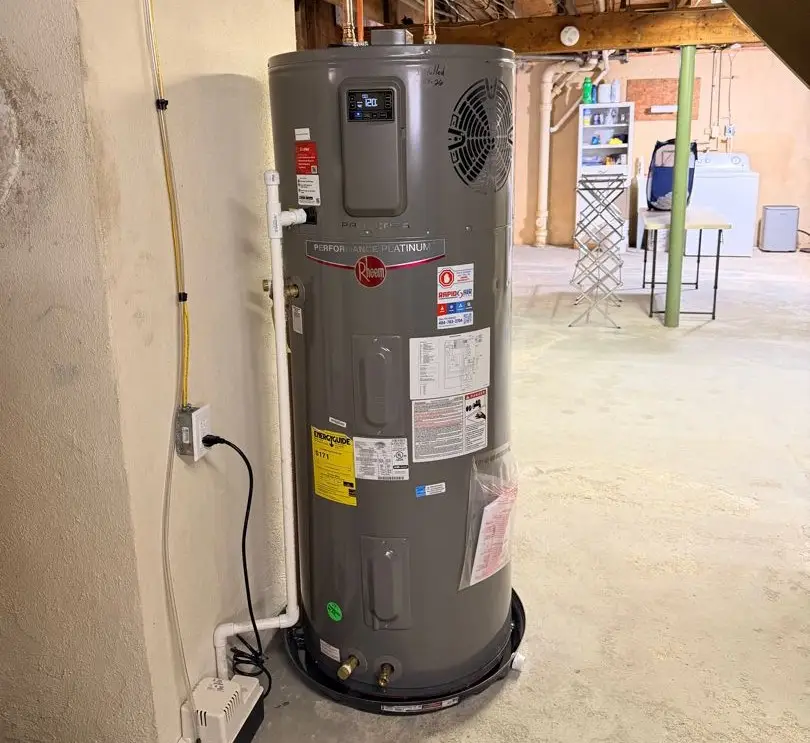
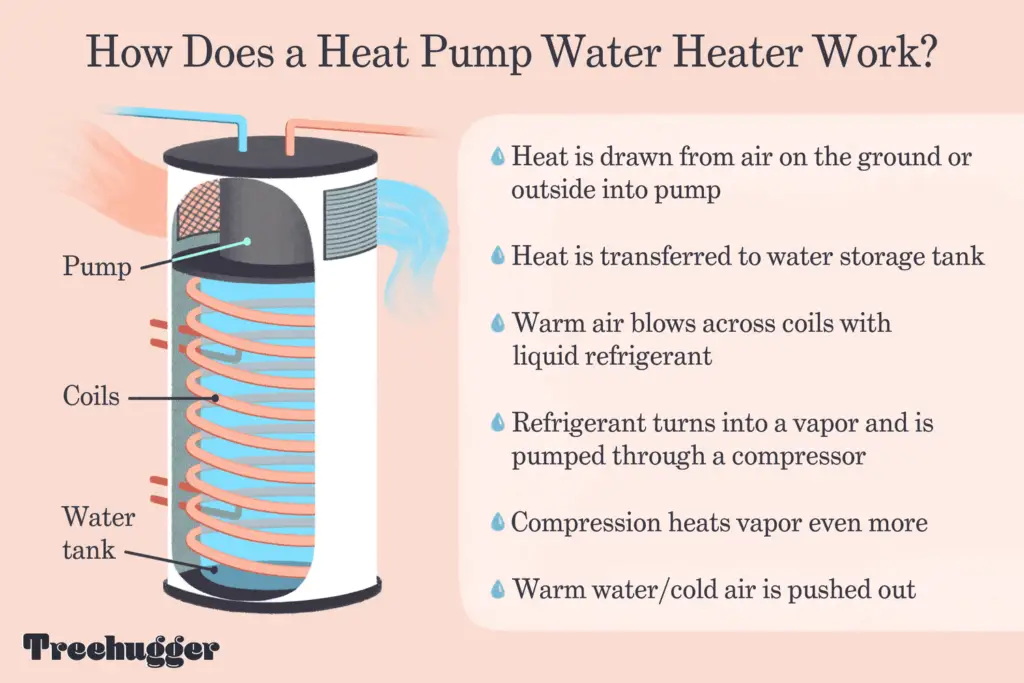
We installed a new 65-gallon Rheem heat pump water heater. Unlike traditional water heaters that generate heat directly, heat pump water heaters pull heat from the surrounding air and transfer it into the water tank, using significantly less energy in the process. For a full look at what we offer, visit our hot water heater services page.
What They Gained
The results were immediate. More hot water capacity for daily use, lower energy bills, an independent hot water system no longer tied to the boiler, and modern, reliable performance. For homes with older boiler systems, this type of upgrade is often one of the highest-impact changes a homeowner can make.
Why Homeowners Make the Switch
Heat pump water heaters can be two to three times more efficient than traditional electric or boiler-based systems. Upgrading to a larger tank also provides more consistent hot water, which matters for families or high-demand households. These systems work by leveraging ambient air, making them especially effective in basements or utility spaces. There may also be rebates available depending on current utility and federal programs, which can help offset upfront costs.
Is a Heat Pump Water Heater Right for Your Home?
This type of upgrade tends to be a strong fit when your current system is aging or inefficient, your hot water is tied into a boiler, you’re looking to reduce energy usage and monthly bills, and you have adequate space such as a basement or utility area. You can also explore our water heater replacement page for more on what the process looks like.
Heat Pump Water Heater FAQs
How Much Money Can I Save?
Most homeowners see water heating costs drop by 30-60% compared to traditional electric systems. Savings depend on usage, local utility rates, and installation conditions.
Do They Work in Pennsylvania’s Climate?
Yes. While they perform best in warmer spaces, they work very well in basements and utility rooms. Most models also include backup electric heating elements for colder conditions.
How Long Do They Last?
On average, heat pump water heaters last 10-15 years, similar to or slightly longer than traditional systems when properly maintained.
Are They Noisy?
They produce some sound due to the fan and compressor, similar to a dehumidifier. When installed in a basement or utility space, noise is typically not an issue.
What Are the Installation Requirements?
These systems generally need adequate air volume, proper drainage for condensate, and sufficient ceiling height. A professional evaluation ensures proper placement and performance.
Can I Replace My Boiler-Fed System with One?
Absolutely. Separating your hot water from your boiler can improve efficiency, reduce wear on your heating system, and provide more consistent hot water. It’s one of the most common upgrades we perform.
Are There Rebates Available?
In many cases, yes. Homeowners in Pennsylvania may qualify for local utility rebates and federal incentives that help reduce upfront installation costs.