If you’ve ever had a room in your house that just won’t stay cool, you’re not alone. Whether it’s a hot second floor, a finished basement, or an addition that never quite tied into your main system, uneven cooling is one of the most common complaints we hear from homeowners around Pottstown.
That’s where mini split systems come in—and honestly, they’ve become one of the easiest ways to fix comfort issues without tearing your house apart.

Why So Many Homeowners Are Choosing Mini Splits
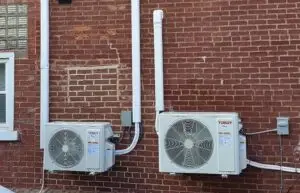
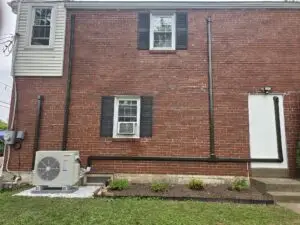
A mini split (also called a ductless system) gives you targeted heating and cooling exactly where you need it. No ductwork required.
That means:
- No major construction
- No opening walls or ceilings
- Faster install times
- Lower upfront cost compared to full duct systems
Most installs can be done in a day or two, depending on how many indoor units (heads) you’re adding.
And the best part? You’re not blasting your entire house with AC just to cool one room. Mini splits are extremely efficient, which helps keep energy bills under control—especially during peak summer months here in southeastern PA.
Ductless vs. Ducted Mini Splits — What’s the Difference?
A lot of people don’t realize there are actually two types of mini split systems:
Ductless Mini Splits (what most people think of)
These are the wall-mounted units you see in bedrooms, offices, or additions.
- Great for single rooms or specific problem areas
- Easy to install
- Highly efficient
- Each room can have its own temperature control
Ducted Mini Splits (a more hidden option)
These systems still use mini split technology, but they connect to short runs of ductwork—usually tucked into an attic, closet, or soffit.
- Better for homeowners who want a cleaner, less visible look
- Can serve multiple rooms from one air handler
- Still more efficient than traditional central systems
- Ideal for renovations or homes in places like Phoenixville where space can be tight
If you’re flipping a house, finishing an attic, or dealing with a layout that doesn’t work well with traditional ductwork, ducted mini splits are a great middle-ground option.
A Real Example From the Field
We recently helped a homeowner with a unique property overlooking the Perkiomen Creek in the Skippack area. The space had incredible views—but no good way to stay comfortable year-round.
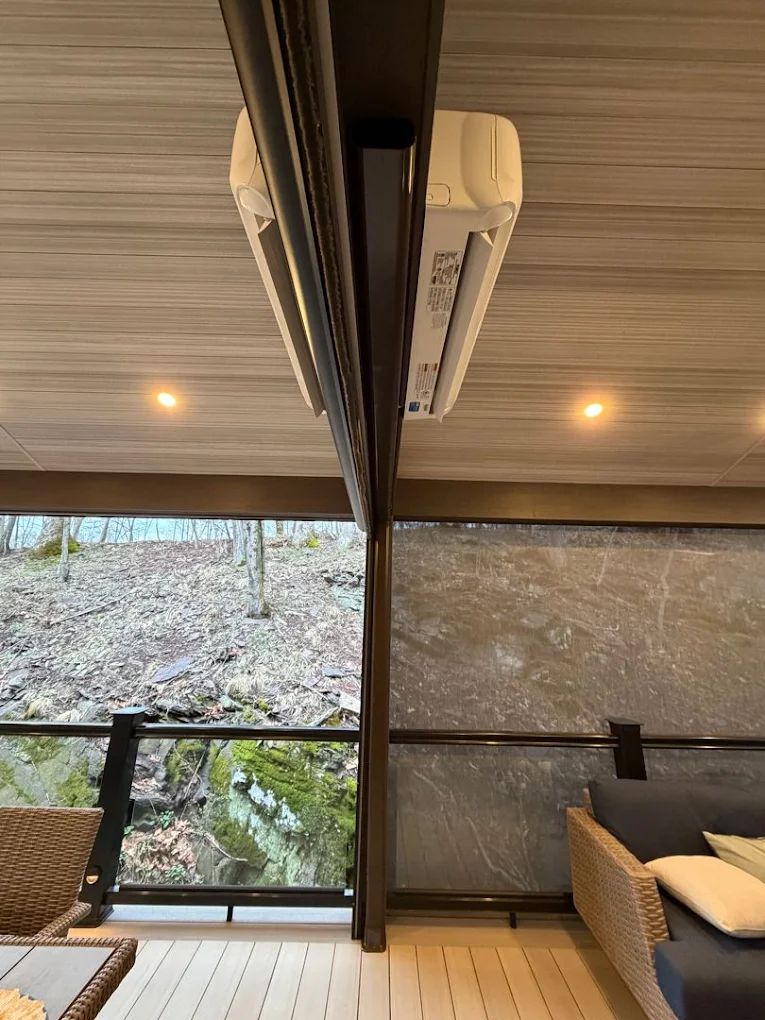
Instead of trying to force ductwork into a space that wasn’t designed for it, we installed a 2-head multi-zone mini split system. Now they’ve got cool air for those warm summer nights and heat for those early chilly mornings—all without changing the character of the home.
That’s the kind of situation where mini splits really shine.
Why Timing Matters — Don’t Wait Until It’s Hot
Every year, once that first stretch of hot weather hits, HVAC companies get slammed.
That usually means:
- Longer wait times
- Equipment delays
- Emergency calls when systems fail
Getting ahead of the season gives you more options and a smoother install process—without the stress of trying to fix things when your house is already uncomfortable.
Common Questions About Mini Split Installation
1. How long does a mini split installation take?
Most single-zone systems can be installed in one day. Multi-zone systems usually take 1–2 days depending on layout.
2. Are mini splits expensive to run?
No. They’re one of the most energy-efficient ways to heat and cool your home because you’re only conditioning the spaces you actually use.
3. Do mini splits work for heating too?
Yes. Most systems are heat pumps, so they provide both heating and cooling—even during colder months.
4. Will I need to open up walls or do major construction?
Very rarely. Installation typically requires just a small penetration for the line set and wiring.
5. How do I know what size system I need?
Sizing depends on room size, insulation, windows, and layout. Getting it wrong can lead to comfort issues, so it’s always best to have it properly evaluated.
More Questions Homeowners Ask About Mini Splits
6. Do mini splits add value to a home?
Yes—especially in homes without central air. Buyers love seeing efficient, modern systems already in place.
7. Can one mini split cool an entire house?
A single unit usually handles one space, but a multi-zone system can absolutely cover an entire home.
8. Are mini splits noisy?
Not at all. They’re much quieter than window units and even many central systems.
9. How often do mini splits need maintenance?
Simple filter cleaning monthly and a professional tune-up once a year will keep them running strong.
10. Where can the indoor units be installed?
Wall-mounted is most common, but ceiling, floor-mounted, and concealed ducted options are all available.
11. Do mini splits work in cold weather?
Yes—especially newer systems designed for colder climates. Many perform well even below freezing.
12. Will a mini split increase my electric bill?
It can add some usage, but most homeowners see better efficiency compared to older systems or window units.
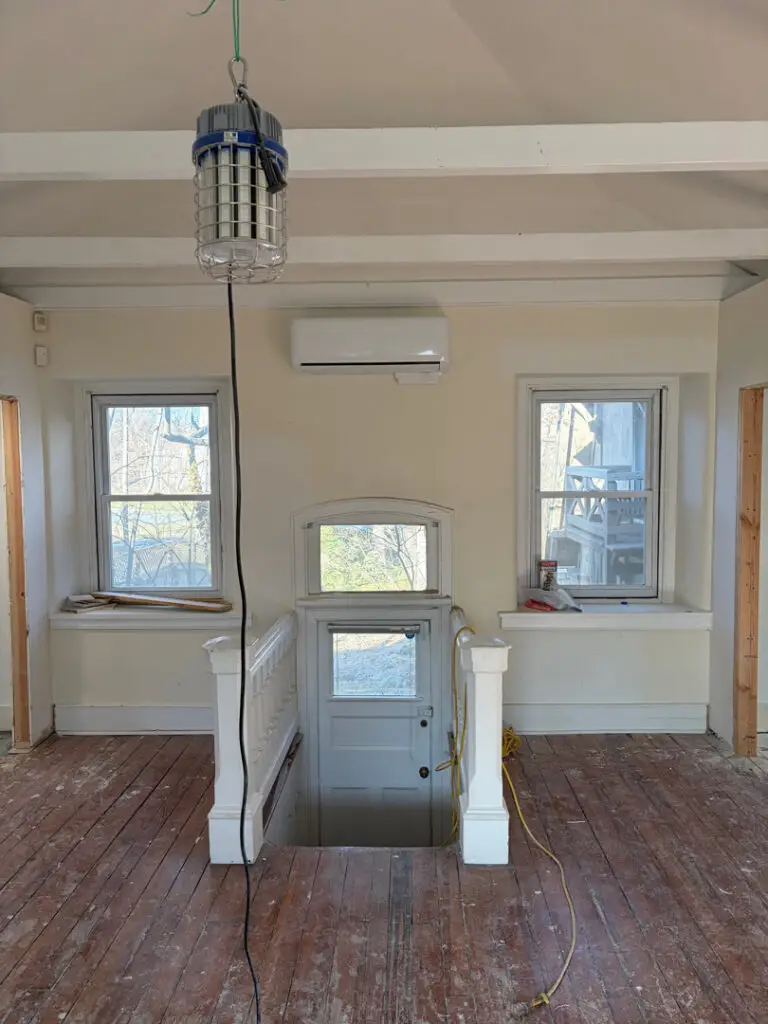
13. Are mini splits a good option for older homes?
They’re one of the best solutions—especially when adding ductwork isn’t practical.
Is a Mini Split Right for Your Home?
If you’re dealing with:
- Hot or cold spots
- No ductwork
- An addition or renovated space
- High energy bills from cooling unused areas
A mini split system is often the simplest and most effective solution.
At Rapid Air HVAC, we keep things straightforward. We’ll walk your home, explain your options in plain language, and install the system cleanly and professionally.
If you’ve been thinking about adding AC before the summer heat hits in Royersford or the surrounding areas, now’s the time to get ahead of it.
Swift Solutions, Reliable Comfort.